Coolatai Local
Coolatai Hall

Researched notes · publicly sourced

History of Coolatai & Gwydir Country

A plain-language timeline for visitors and locals — station years, village survey, Warialda as the district hub, and folklore kept clearly labelled.

District photos

Real places, open-licensed images
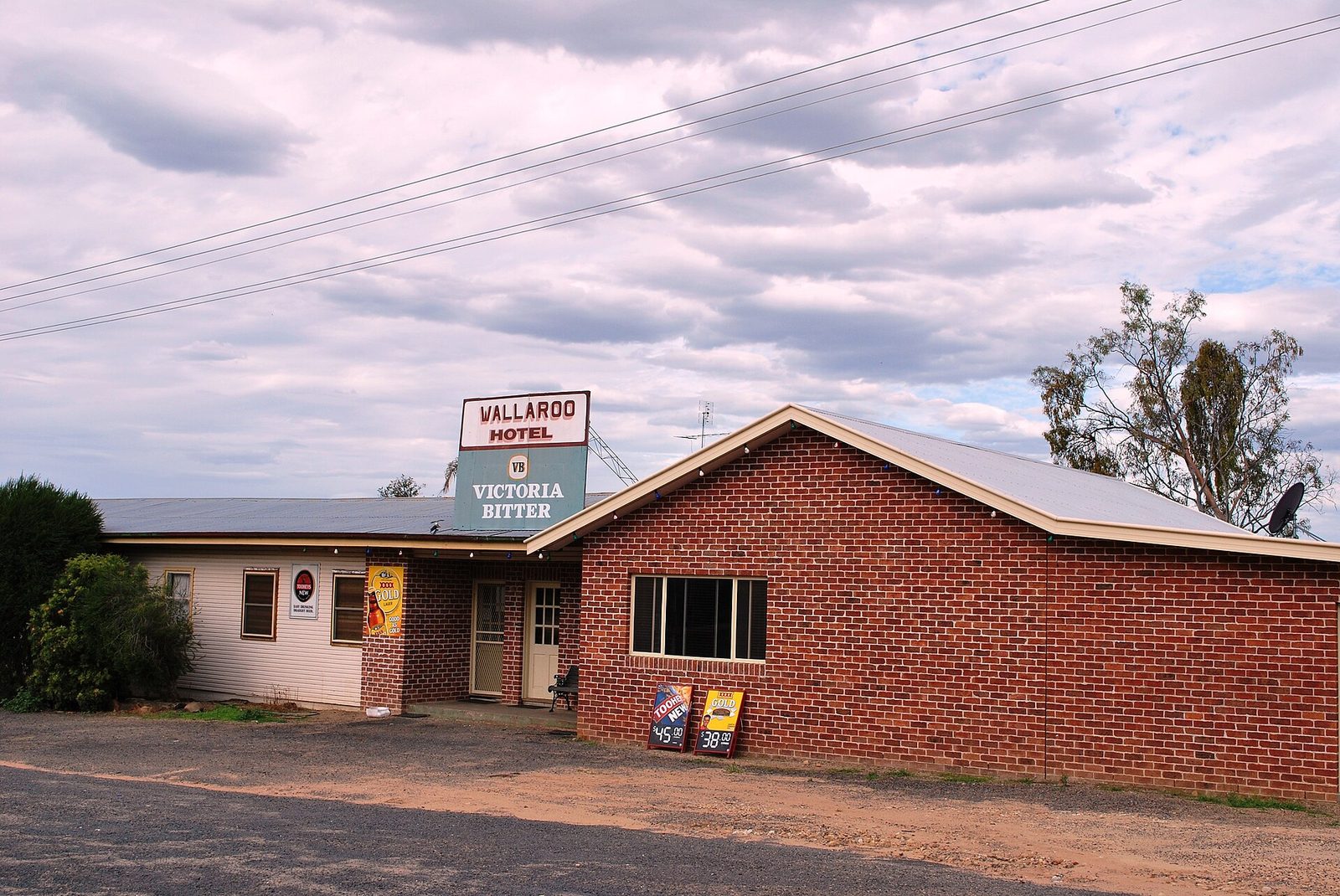
Photos of Coolatai, Warialda, Yetman, Bingara, Cranky Rock and Macintyre Falls from Wikimedia Commons (CC BY / CC BY-SA). Full attribution on the credits page.

Wallaroo Hotel, Coolatai
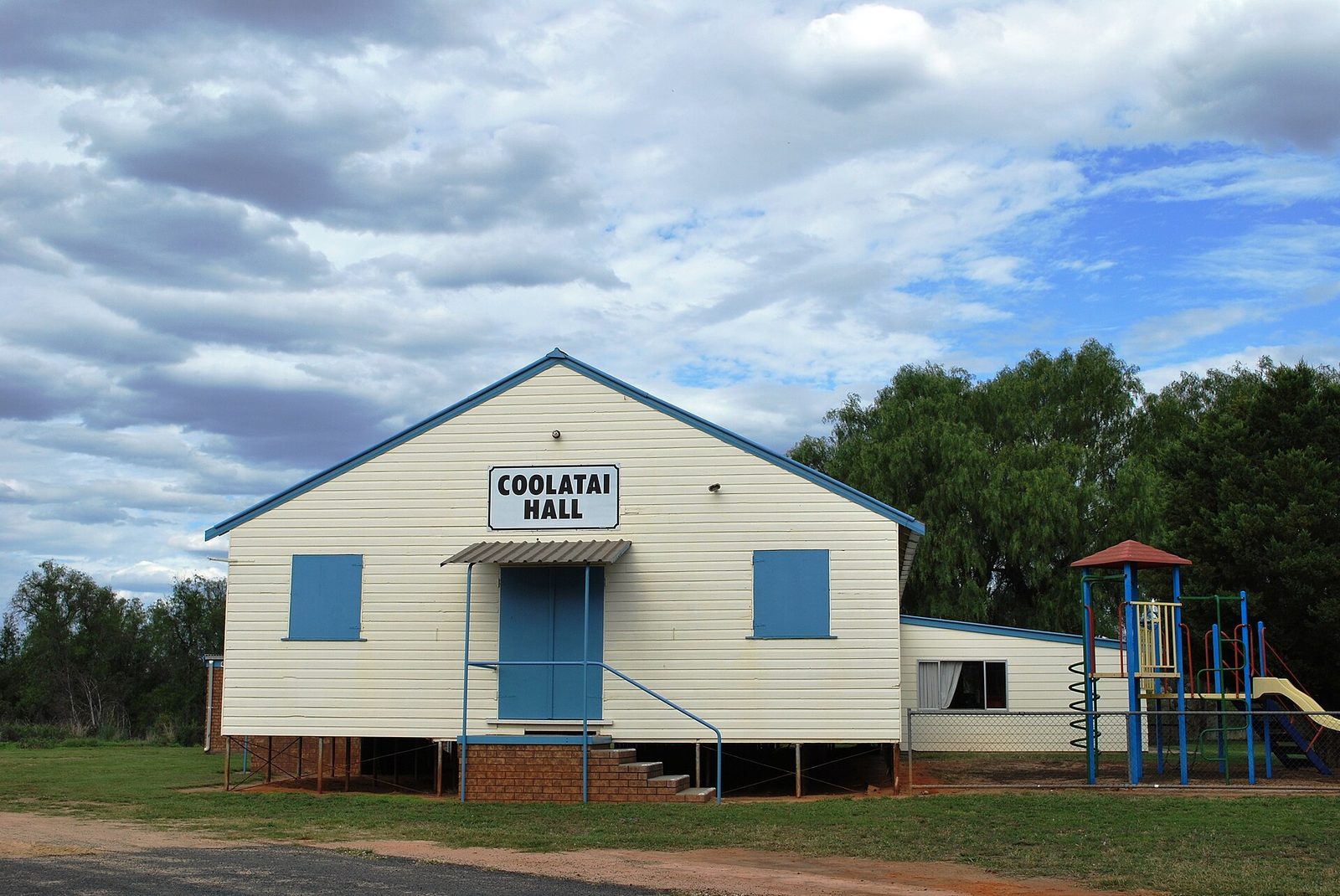
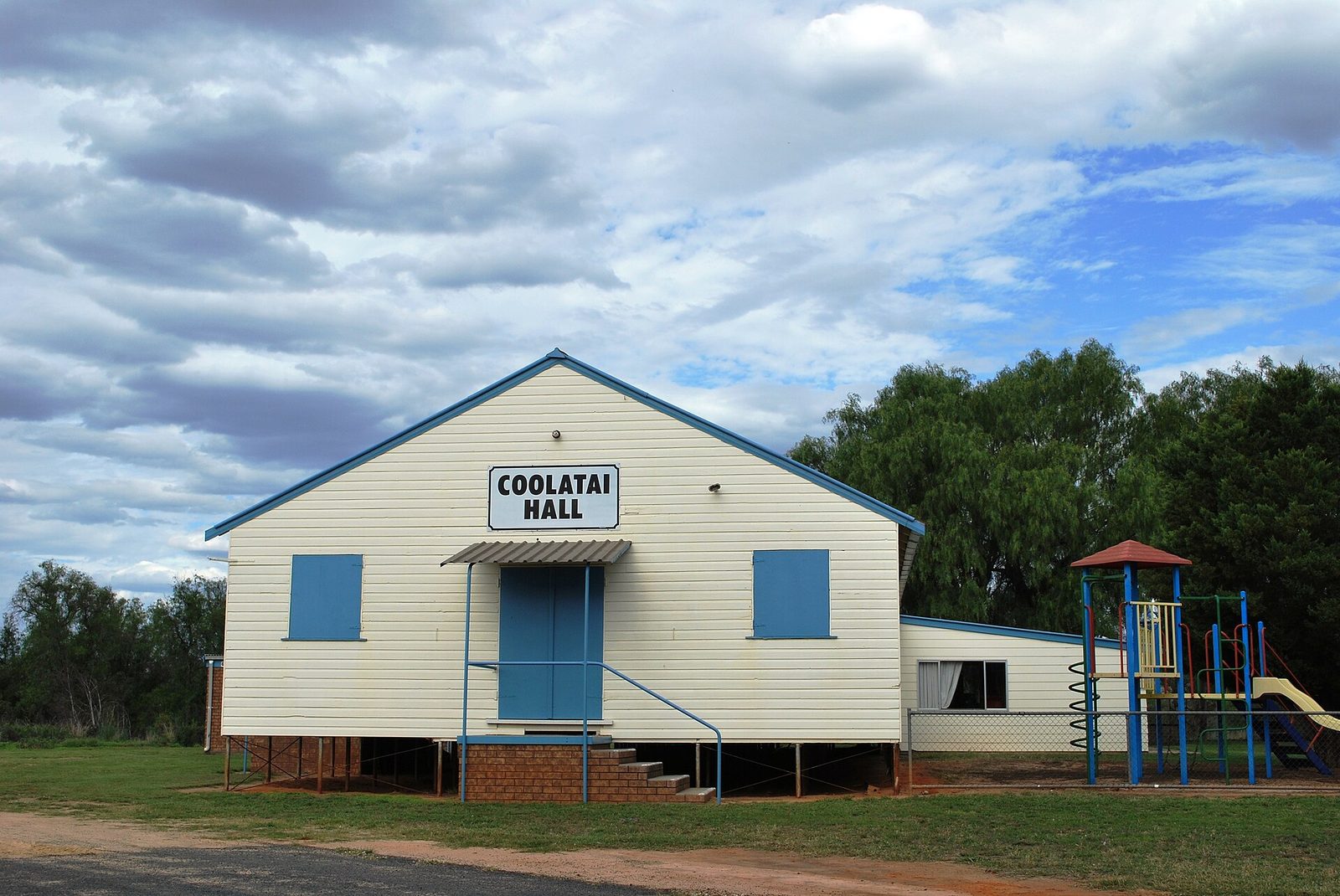
Coolatai Hall
Coolatai Hall
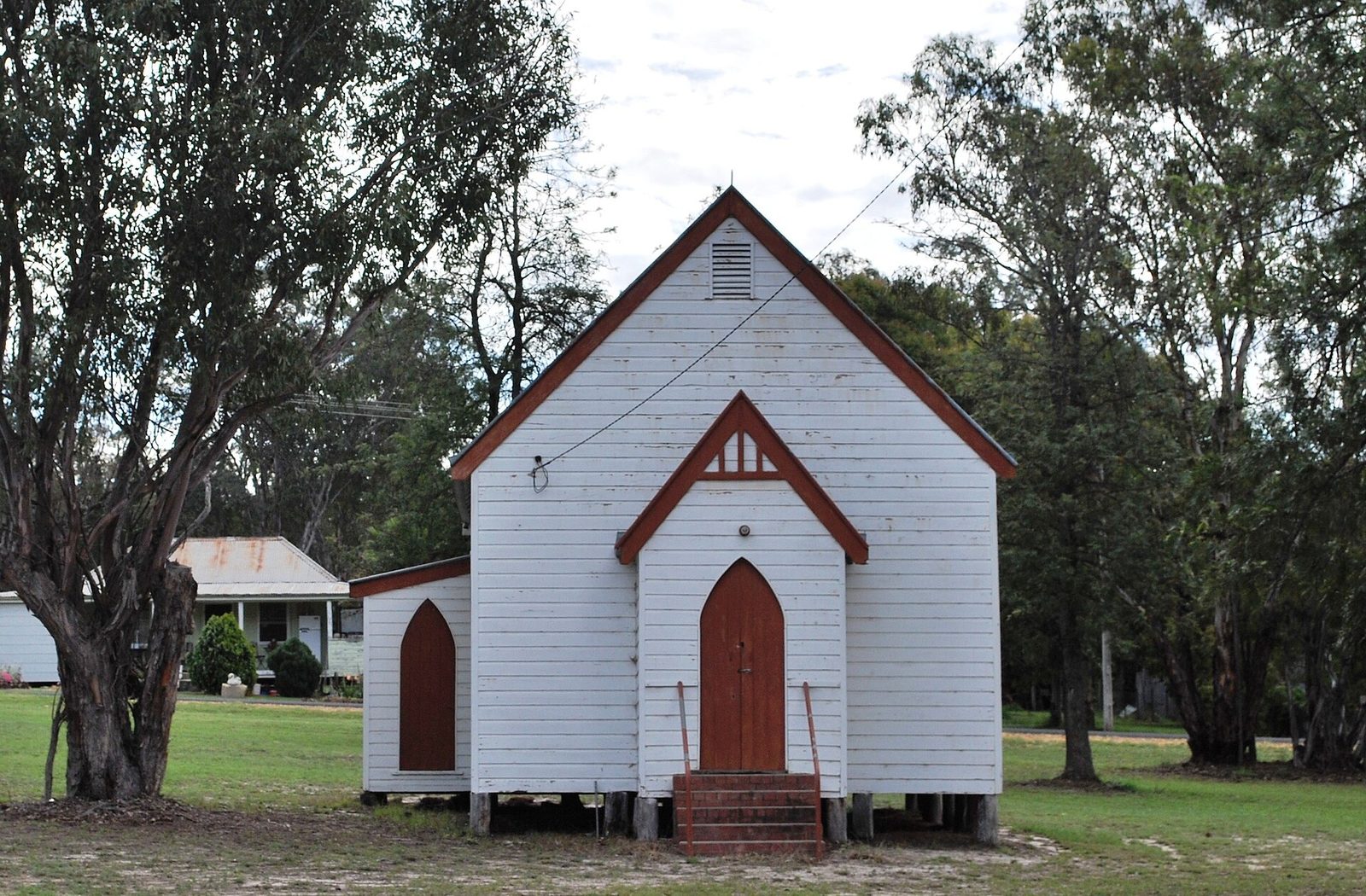
Coolatai Church
Coolatai Church
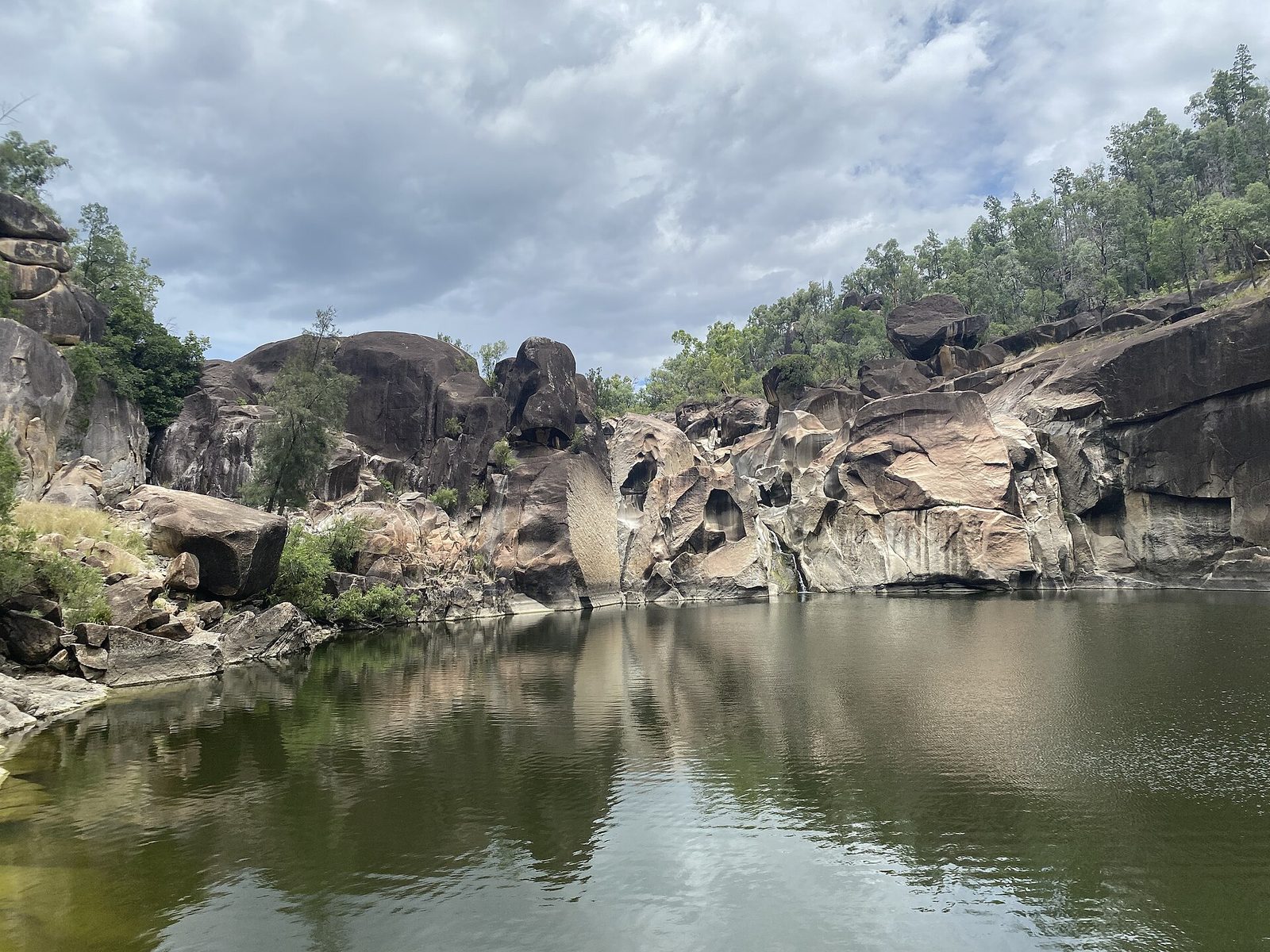
Macintyre Falls, Kwiambal NP
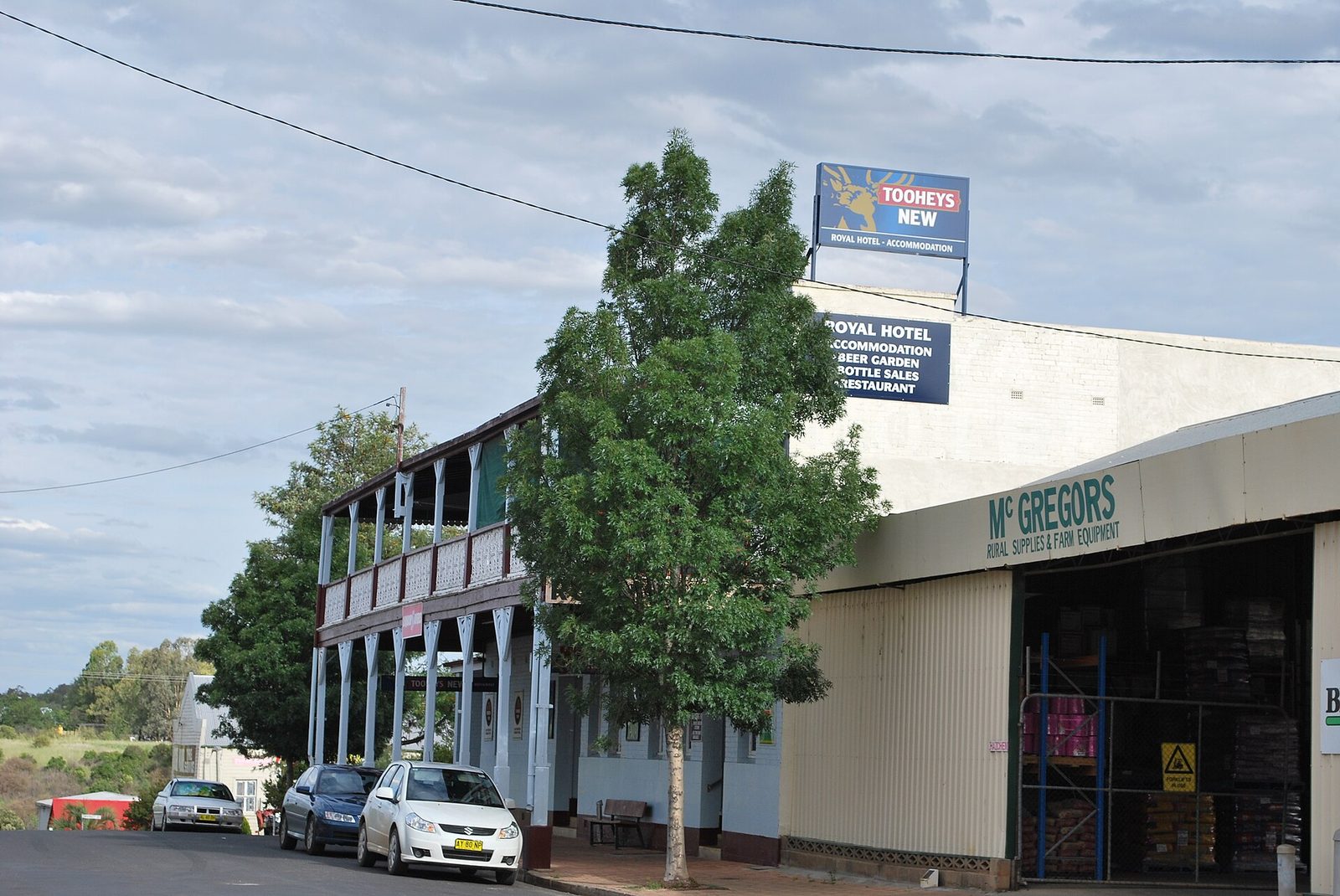
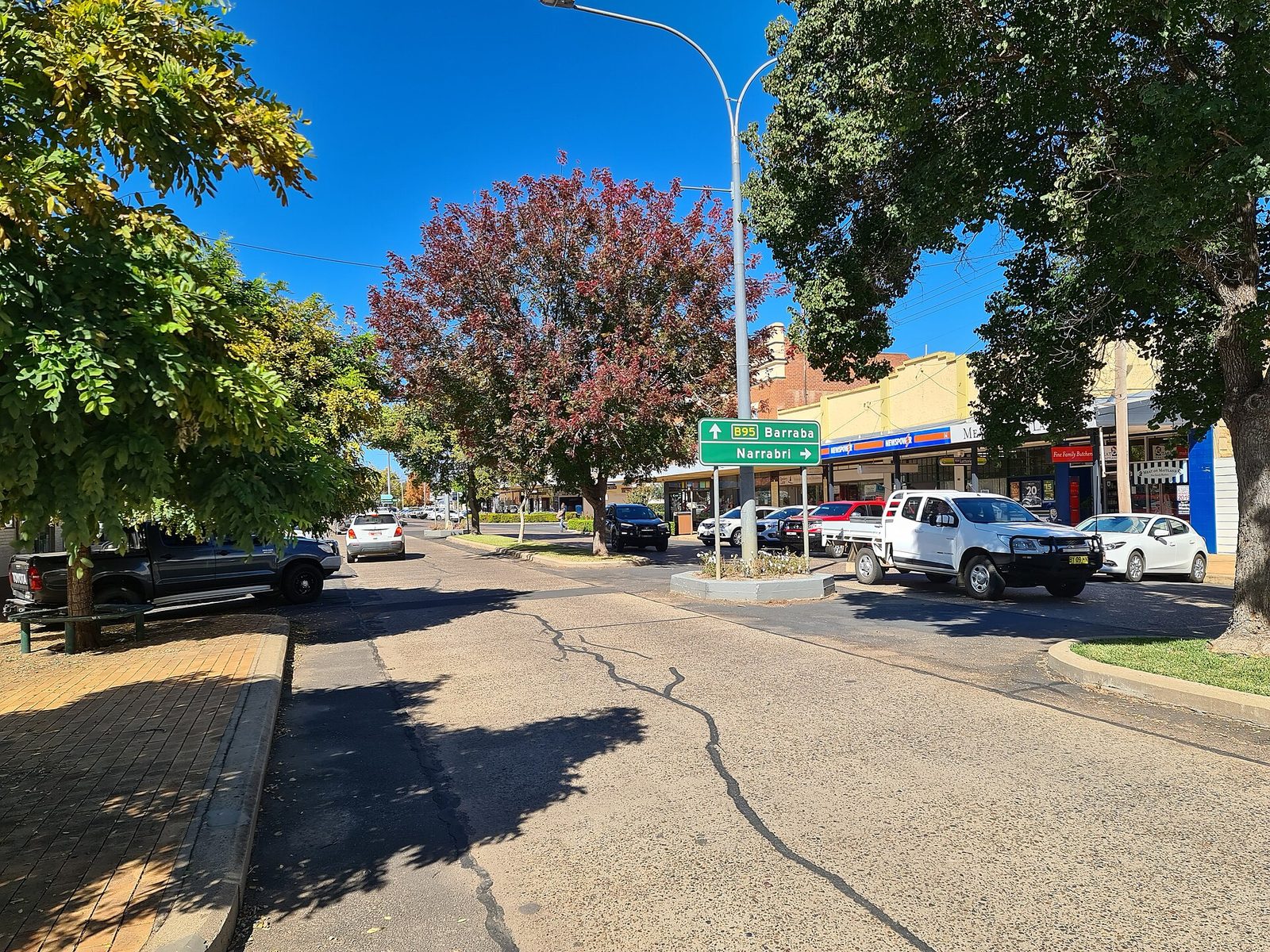
Street scene, Warialda
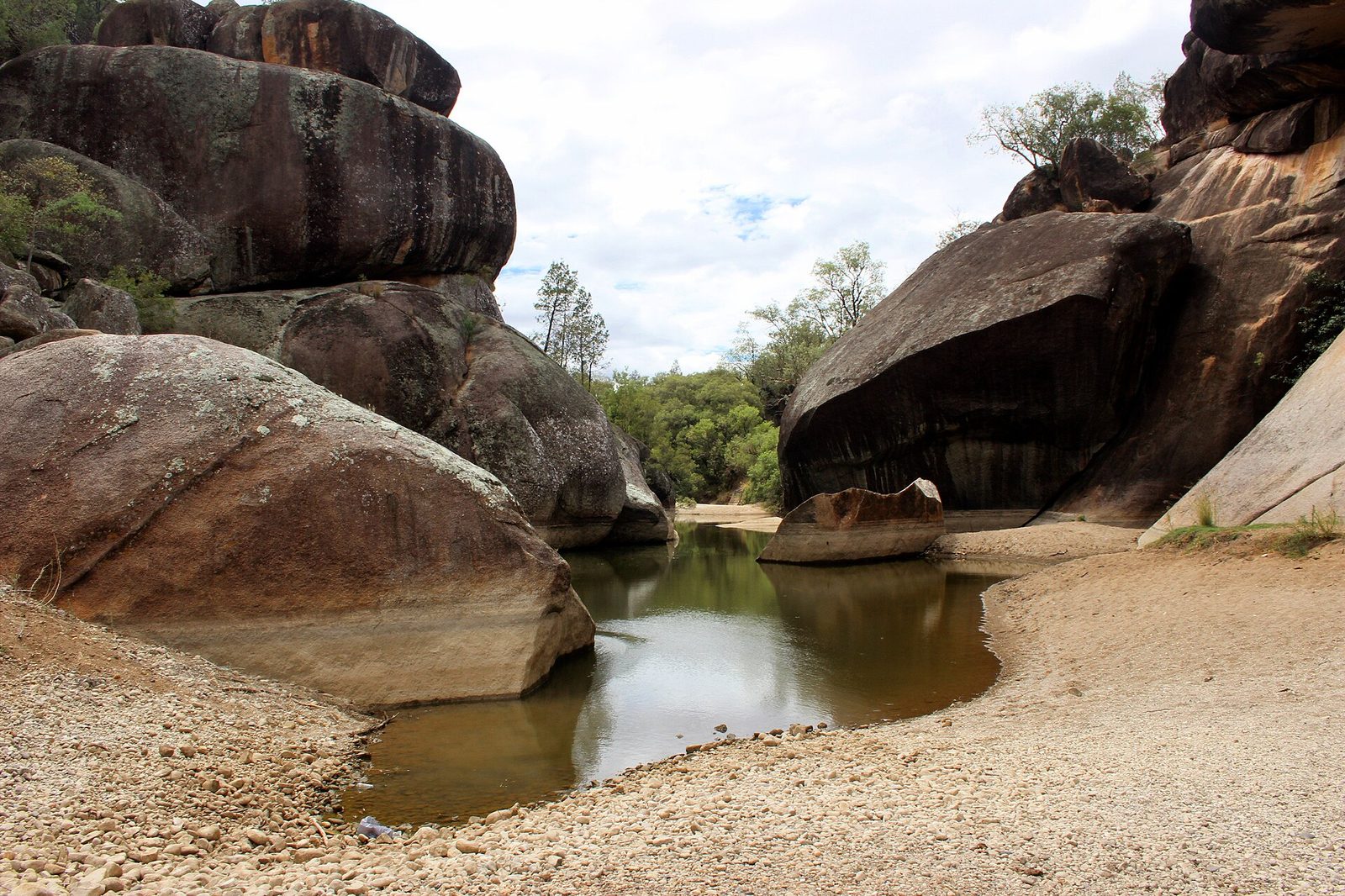
Cranky Rock, near Warialda
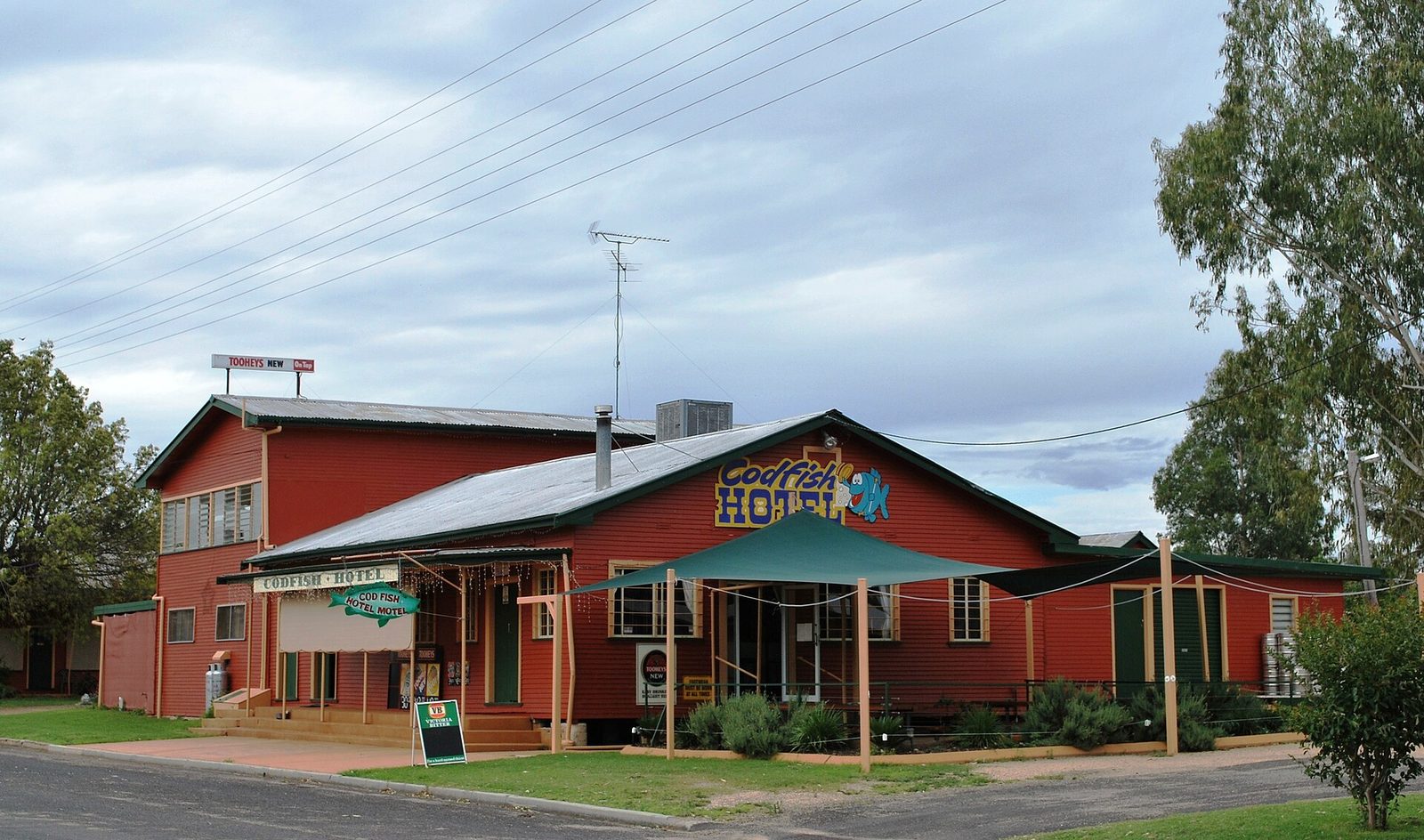
Codfish Hotel, Yetman
Main street, Bingara

Timeline

Key moments

  1. Long before 1827

    Weraerai Country

    Gwydir Shire histories place Weraerai people as the first known inhabitants around Warialda and north toward Coolatai country. Coolatai Local acknowledges Traditional Custodians; cultural sites are protected — seek local guidance.

  2. 1827

    Cunningham’s Track

    Botanist Allan Cunningham passed near present-day Coolatai on his overland trek. He named the Gwydir and nearby rivers; roadside signs still mark the route across the shire.

  3. c. 1830

    Coolootai station

    Tourism accounts credit R. B. Ottley with naming Coolootai after reed-covered creek country. The later village name Coolatai is treated as an adaptation of the station name.

  4. 1840–1850

    Warialda administrative centre

    Border Police outpost, then surveyed township gazetted mid-century. “Place of wild honey” becomes the nearest full-service town for Coolatai travellers.

  5. 1902–1910

    Coolatai village takes shape

    Survey (1902), hotel and stores (1903), school, post office, races on the common, cemetery notified 1910. Hotel and hall remain the social anchors today.

  6. 1958 onward

    Panther yarns (folklore)

    Sighting stories enter local yarn culture. Coolatai Local labels them folklore — not confirmed wildlife.

  7. Today

    Living district

    Wallaroo Hotel, sports-ground camping, tractor pull and campdraft, and day trips to Kwiambal. This portal maps what is publicly useful for residents and travellers.

Deeper reading

History stories

All stories

Primary public sources include Gwydir Shire Council town histories, Visit Gwydir, and NSW National Parks. Dates and spellings can vary between summaries — treat this as a visitor guide, not an academic monograph.